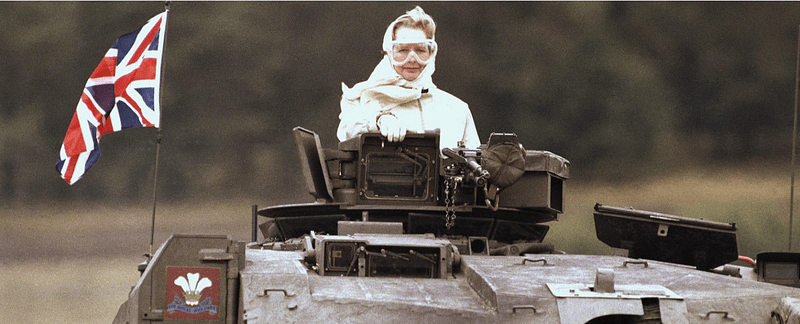
After writing two essays on the UK, the first being “On the “granary” of the UK and British agriculture” and a three-essays series on the British movie Threads (1984) — “UK 1984–1985 : analysis of the fuel crisis and societal collapse in Threads (1984)”, “UK 1985–1994 : explaining the narrative jump in Threads (1984)” and “Some deep thoughts on Threads (1984)”; I was willing to explore from my French perspective the stateswoman who served as Prime Minister of the United Kingdom from 1979 to 1990 : Margaret Thatcher. Her role as a political leader is sometimes controversial from my side of the Channel. She is mainly associated with liberalism, the UK Miner’s Strike, deindustrialization, the Troubles, the Falklands War and increased inequalities.
Après avoir rédigé deux essais sur le Royaume-Uni, le premier intitulé « On the “granary” of the UK and British agriculture » (À propos du « grenier » du Royaume-Uni et de l’agriculture britannique) et une série de trois essais sur le film britannique Threads (1984) — « Royaume-Uni 1984–1985 : analyse de la crise pétrolière et de l’effondrement sociétal dans Threads (1984) », « Royaume-Uni 1985–1994 : explication du saut narratif dans Threads (1984) » et « Quelques réflexions profondes sur Threads (1984) » ; J’ai souhaité explorer, de mon point de vue français, la personnalité politique qui a occupé le poste de Premier ministre du Royaume-Uni de 1979 à 1990 : Margaret Thatcher. Son rôle en tant que dirigeante politique est parfois controversé de mon côté de la Manche. Elle est principalement associée au libéralisme, à la grève des mineurs britanniques, à la désindustrialisation, aux Troubles, à la guerre des Malouines et à l’augmentation des inégalités.
When I was younger, my view of the United Kingdom was mainly influenced by my left-wing political opinion : friends and family especially. The UK given these influences ? Closed factories, closed collieries, inequalities, liberalism and so on. Something I totally reconsidered when I wrote my three-essays series on Threads and on British agriculture. The latter work opened my eyes when I had to discover an unexplored part of the British Isles in the French’s vision of the United Kingdom : countryside, agriculture, Corn Laws, enclosures, the East of England… That’s a bit caricatural, but once I discovered Cumbria, Norfolk, Women’s Land Army, Akenfield, the National Trust, the story of enclosures and the debate over food production independence in the UK : I had to rethink my whole opinion of this country. And so my vision of this long controversial figure for me : Margaret Thatcher. The goal of this small essay is to give my personal opinion, as a French person and initially a skeptic, on this British woman named “The Iron Lady”. Who was she, what she had done and what we should remember her for ?
Quand j’étais plus jeune, ma vision du Royaume-Uni était principalement influencée par mes opinions politiques de gauche, notamment celles de mes amis et de ma famille. Le Royaume-Uni vu à travers ces influences ? Des usines fermées, des mines de charbon fermées, des inégalités, le libéralisme, etc. J’ai complètement revu mon opinion lorsque j’ai écrit ma série de trois essais sur Threads et sur l’agriculture britannique. Ce dernier travail m’a ouvert les yeux lorsque j’ai découvert une partie inexplorée des îles britanniques dans la vision française du Royaume-Uni : la campagne, l’agriculture, les lois sur le blé, les enclosures, l’est de l’Angleterre… C’est un peu caricatural, mais une fois que j’ai découvert le Cumbria, le Norfolk, la Women’s Land Army, Akenfield, le National Trust, l’histoire des enclosures et le débat sur l’indépendance alimentaire au Royaume-Uni, j’ai dû revoir toute mon opinion sur ce pays. Et donc ma vision de cette figure longtemps controversée pour moi : Margaret Thatcher. Le but de ce petit essai est de donner mon opinion personnelle, en tant que Français et initialement sceptique, sur cette Britannique surnommée « la Dame de fer ». Qui était-elle, qu’a-t-elle fait et pourquoi devrions-nous nous souvenir d’elle ?
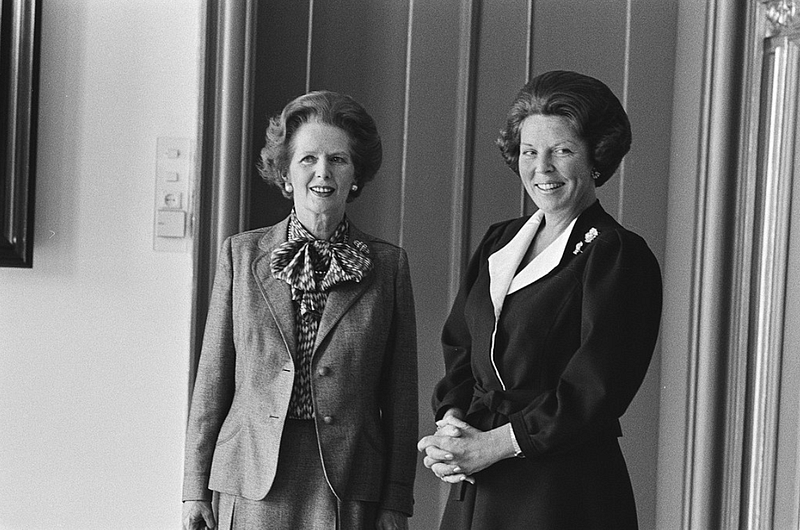
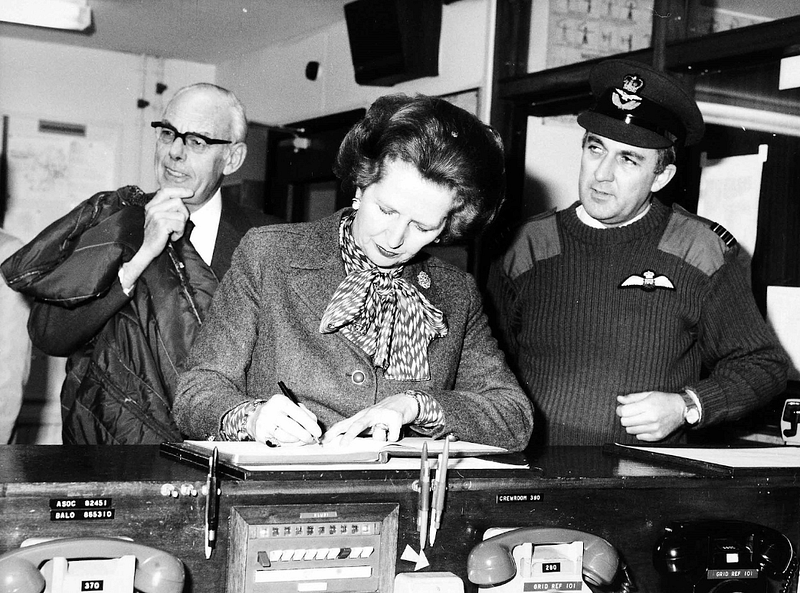
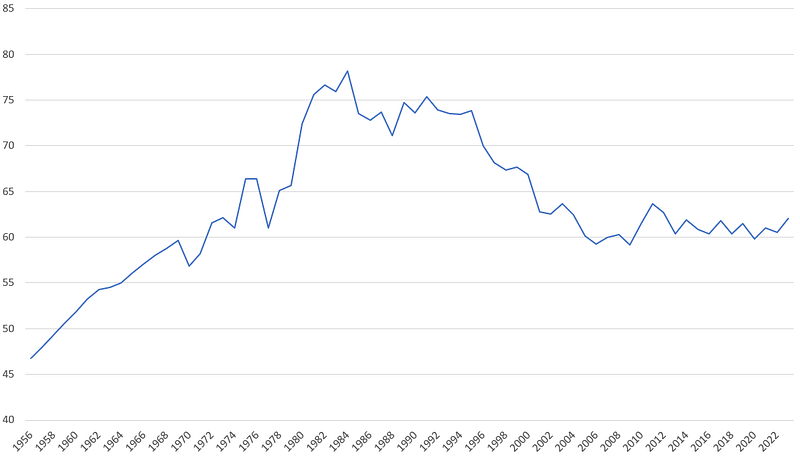
Unbeknownst to me, Thatcher came from a modest background. Her parents owned a grocery store, and her early path led her to study chemistry and physics. She studied at Oxford, then met her husband Denis in 1951. Regarding her legacy, one of the most surprising facts I came across — while studying British agriculture — is that the best “self-sufficiency ratio” was reached in 1984, amid Thatcher’s tenure (1979–1990). And it was during her tenure that the UK was the most self-reliant on its agriculture, as illustrated by this graph.
À mon insu, Thatcher venait d’un milieu modeste. Ses parents possédaient une épicerie, et ses débuts l’ont conduite à étudier la chimie et la physique. Elle a étudié à Oxford, puis a rencontré son mari Denis en 1951. En ce qui concerne son héritage, l’un des faits les plus surprenants que j’ai découverts en étudiant l’agriculture britannique est que le meilleur « taux d’autosuffisance » a été atteint en 1984, pendant le mandat de Thatcher (1979–1990). C’est également pendant son mandat que le Royaume-Uni a été le plus autonome sur le plan agricole, comme l’illustre ce graphique.
What was done by Thatcher in fact was to obtain a rebate on British funds in the PAC (“Politique Agricole Commune” or “Common Agricultural Policy”). And in 1985, the UK got the famous “UK Rebate” with a 66% reduction in contribution for the UK. A decision that influenced British agriculture in many ways. The PAC was conceived to assist small land holders. With the reduction of this aid, a shift was visible regarding farm sizes in the UK : increase in large farms and a decrease in small farms. An unnoticeable but important step to improve agricultural performance, especially in a country deeply limited by its arable land surface. The most controversial topic from my French perspective is about the UK Miner Strike, and more generally, her role regarding the industrial future of the United Kingdom. In left-wing circles — whether in France or elsewhere — her actions are generally regarded as a betrayal of the working class of the United Kingdom. Should we look at her actions in a more positive manner today ? I do believe in some way, even if the British miners earned all my sympathies — they never got any kind of compensation for their year long strike and most of them were deprived of a job for a long time.
Ce que Thatcher a fait en réalité, c’est obtenir une réduction des fonds britanniques dans le cadre de la PAC (Politique agricole commune). En 1985, le Royaume-Uni a obtenu le fameux « rabais britannique », avec une réduction de 66 % de sa contribution. Une décision qui a influencé l’agriculture britannique à bien des égards. La PAC a été conçue pour aider les petits exploitants agricoles. Avec la réduction de cette aide, un changement s’est opéré dans la taille des exploitations agricoles au Royaume-Uni : augmentation du nombre de grandes exploitations et diminution du nombre de petites exploitations. Une mesure discrète mais importante pour améliorer les performances agricoles, en particulier dans un pays fortement limité par sa superficie de terres arables. Le sujet le plus controversé, de mon point de vue français, concerne la grève des mineurs britanniques et, plus généralement, son rôle dans l’avenir industriel du Royaume-Uni. Dans les milieux de gauche, que ce soit en France ou ailleurs, ses actions sont généralement considérées comme une trahison de la classe ouvrière britannique. Devrions-nous aujourd’hui considérer ses actions d’un œil plus positif ? Je le crois, d’une certaine manière, même si les mineurs britanniques ont toute ma sympathie : ils n’ont jamais obtenu aucune compensation pour leur grève qui a duré un an et la plupart d’entre eux ont été privés d’emploi pendant longtemps.
To understand Thatcher’s policy, it’s important to look back in the past, and more especially to look at the “Winter of Discontent” (1978–1979). The Labour Party was in power, with James Callaghan as the Prime Minister from 1976 to 1979, at the time of the events. The social crisis — caused by inflation and economic difficultes — was extremely serious : shortages, lack of coals, strikes… One union, the NUM (National Union of Mineworkers), was known for its large scale actions and nicknamed as “Kingmaker”. It’s believed that the crisis was responsible for Thatcher’s victory in 1979. At this time, the British industry was in serious trouble.
Pour comprendre la politique de Thatcher, il est important de se pencher sur le passé, et plus particulièrement sur « l’hiver du mécontentement » (1978–1979). Le Parti travailliste était au pouvoir, avec James Callaghan comme Premier ministre de 1976 à 1979, au moment des événements. La crise sociale, causée par l’inflation et les difficultés économiques, était extrêmement grave : pénuries, manque de charbon, grèves… Un syndicat, le NUM (National Union of Mineworkers), était connu pour ses actions à grande échelle et surnommé « Kingmaker ». On pense que cette crise est à l’origine de la victoire de Thatcher en 1979. À cette époque, l’industrie britannique était en grande difficulté.

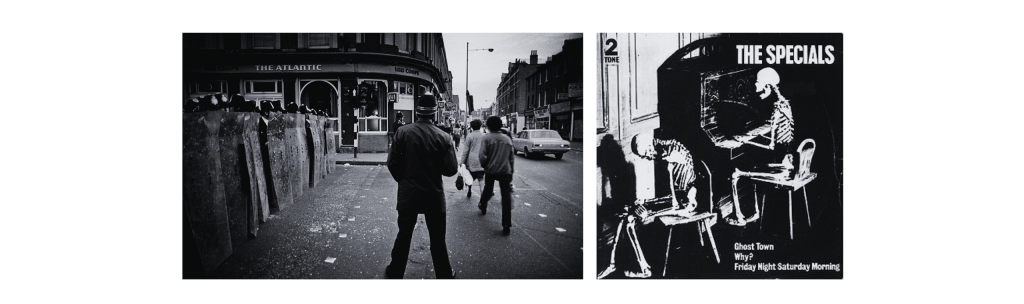
As in many Western European countries, industry faced serious challenges : increased competition abroad (Asia, Maghreb…), disappearance of the past international agreements (for example : the Multi Fibre Arrangement was enacted in 1974 to protect textile industries in developed countries against imports from developing ones), lack of investments, poor social situation and the massive weights of several unions (like the NUM for the mining sector). Something we can compare to what occurred in France in the textile industry, especially in the Vosges department. In early 1980s, in the midst of an industrial crisis and foreign competition, one of the most important holding “Boussac Saint Freres”. The company was plagued by inefficiency, costly social programs and poor financial management. In 1981, the company was bankrupt : mass closures and job losses occurred in an already weakened region, seriously hit by the industrial crisis. While not directly tied to the state of industry, Thatcher faced rising tensions in poor suburbs plagued by joblessness and also mass immigration. Urban and social decay in several areas was such a national topic, that it was even discussed in the song “Ghost Town” by Ska-band named The Specials in 1981. The same year is considered a landmark in social conflict and urban decay in the UK with the Brixton Riots.
Comme dans de nombreux pays d’Europe occidentale, l’industrie a été confrontée à de sérieux défis : concurrence accrue à l’étranger (Asie, Maghreb…), disparition des accords internationaux passés (par exemple : l’accord multifibres a été promulgué en 1974 pour protéger les industries textiles des pays développés contre les importations en provenance des pays en développement), manque d’investissements, situation sociale précaire et poids considérable de plusieurs syndicats (comme le NUM pour le secteur minier). Une situation comparable à celle qu’a connue l’industrie textile en France, notamment dans le département des Vosges. Au début des années 1980, en pleine crise industrielle et face à la concurrence étrangère, l’une des plus importantes holdings, « Boussac Saint Frères », était en proie à l’inefficacité, à des programmes sociaux coûteux et à une mauvaise gestion financière. L’entreprise était en proie à l’inefficacité, à des programmes sociaux coûteux et à une mauvaise gestion financière. En 1981, l’entreprise a fait faillite : des fermetures massives et des pertes d’emplois ont eu lieu dans une région déjà affaiblie, gravement touchée par la crise industrielle. Bien que cela ne soit pas directement lié à la situation de l’industrie, Thatcher a dû faire face à des tensions croissantes dans les banlieues pauvres en proie au chômage et à l’immigration massive. La dégradation urbaine et sociale dans plusieurs zones était un sujet tellement important au niveau national qu’il a même été abordé dans la chanson « Ghost Town » du groupe de ska The Specials en 1981. Cette même année est considérée comme un tournant dans les conflits sociaux et la dégradation urbaine au Royaume-Uni avec les émeutes de Brixton.
Thatcher also faced rising nationalism with several organisations like the National Front. During the 1979 elections, it’s commonly admitted that her nationalist stance was responsible for the collapse of support for the National Front which was steadily growing. The NF never recovered after 1979. Amid this peculiar context, Thatcher introduced one of the key measures leading to the major shift of the British economy toward financial service : the Big Bang. In 1986, Thatcher took measures to massively revolutionize and deregulate the trading market with the introduction of electronic trading and the disappearance of the trading flour at the London Stock Exchange.
Thatcher a également dû faire face à la montée du nationalisme avec plusieurs organisations telles que le Front national. Lors des élections de 1979, il est communément admis que sa position nationaliste a été responsable de l’effondrement du soutien au Front national, qui était en constante progression. Le FN ne s’est jamais remis de cette défaite. C’est dans ce contexte particulier que Thatcher a introduit l’une des mesures clés qui ont conduit à la réorientation majeure de l’économie britannique vers les services financiers : le Big Bang. En 1986, Thatcher a pris des mesures pour révolutionner et déréguler massivement le marché boursier avec l’introduction du trading électronique et la disparition du marché à la criée à la Bourse de Londres.
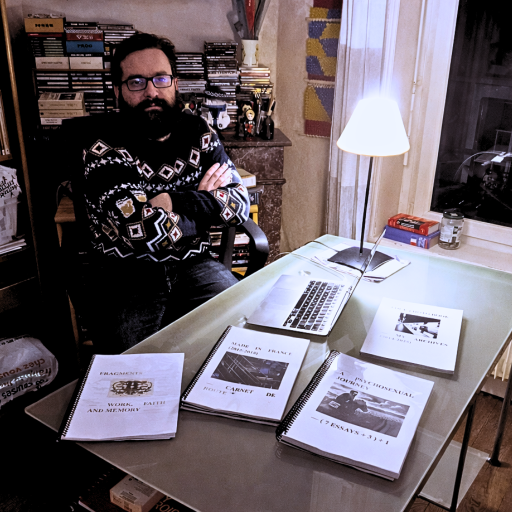
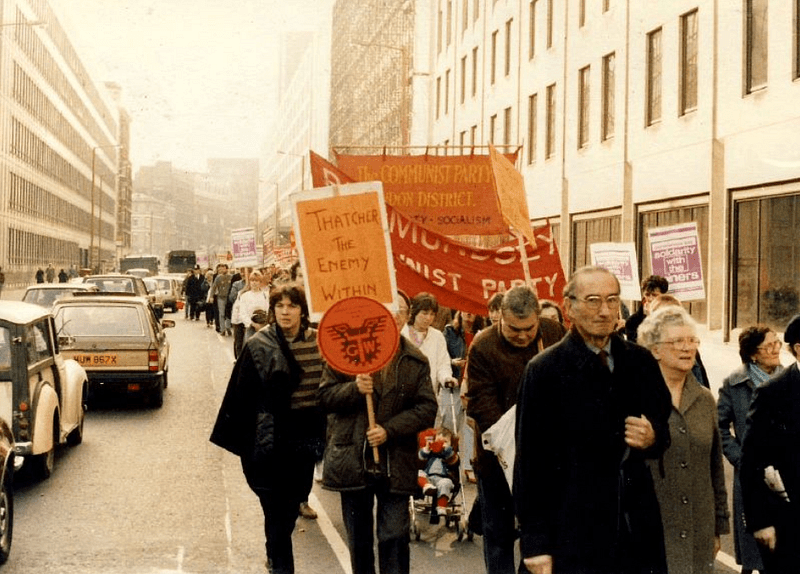
From my point of view, having explored during my Master degree the topic on the French side with my thesis on the “Made in France” topic and French industrial history, the UK situation left few choices : either pursuit of the failure of the industrial framework (inefficiency, debts, social issues…) or a massive paradigm shift. The latter option was chosen by Thatcher and her government. Massive privatisation was implemented with major industrial companies being privatised like British Steel Corporation. Thatcher was willing to cut the influence of unions in British political and economical life. The most emblematic case was the ban of union at the Government Communications Headquarters (GCHQ) between 1984 and 1997. The next one was against the NUM with the UK Miner’s Strike. The National Coal Board proposed to close 20 of the 147 state-owned pits. This year-long struggle was depicted in several movies like Billy Elliot (2000) or also Brassed Off (1996). While the social cost was massive, the concerns over profitability and over union power in the strategic sector outpaced many concerns as demonstrated by the Winter of Discontent. At one point or another, the British public would have urged for actions as demonstrated by the 1979 elections with the collapse of the Labour government.
De mon point de vue, après avoir exploré pendant mon master le sujet du côté français avec ma thèse sur le thème « Made in France » et l’histoire industrielle française, la situation au Royaume-Uni ne laissait que peu de choix : soit poursuivre l’échec du cadre industriel (inefficacité, dettes, problèmes sociaux…), soit opérer un changement de paradigme radical. C’est cette dernière option qui a été choisie par Thatcher et son gouvernement. Une privatisation massive a été mise en œuvre, avec la privatisation de grandes entreprises industrielles telles que British Steel Corporation. Thatcher était déterminée à réduire l’influence des syndicats dans la vie politique et économique britannique. Le cas le plus emblématique a été l’interdiction des syndicats au Government Communications Headquarters (GCHQ) entre 1984 et 1997. Le suivant a été celui contre le NUM avec la grève des mineurs britanniques. Le National Coal Board a proposé de fermer 20 des 147 mines appartenant à l’État. Cette lutte, qui dura un an, a été dépeinte dans plusieurs films, tels que Billy Elliot (2000) ou Brassed Off (1996). Si le coût social fut énorme, les préoccupations liées à la rentabilité et au pouvoir des syndicats dans ce secteur stratégique l’emportèrent sur de nombreuses autres, comme le démontra l’hiver du mécontentement. À un moment ou à un autre, le public britannique aurait réclamé des mesures, comme le démontrèrent les élections de 1979 avec l’effondrement du gouvernement travailliste.
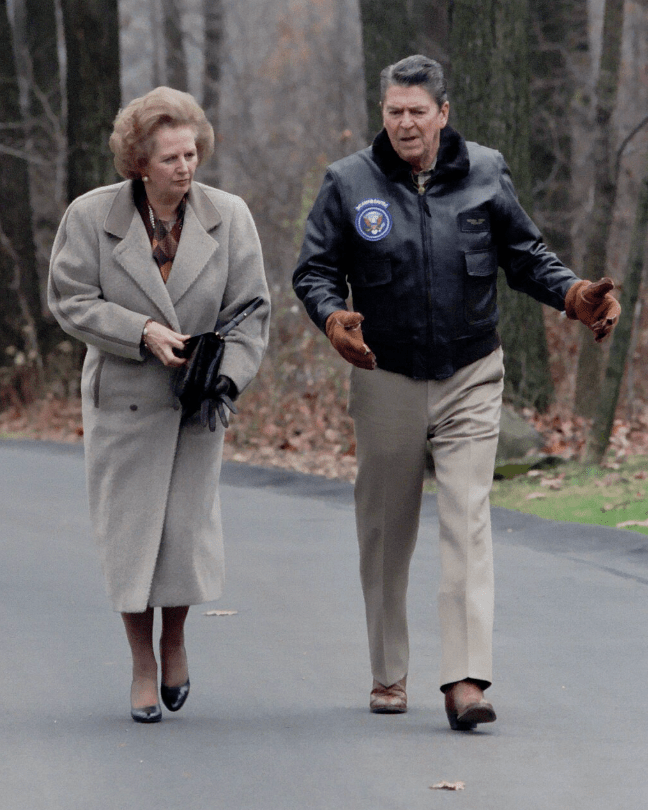
On Northern Ireland and the Falklands, I admire the intransigence of Margaret Thatcher — her relentless stance and acts over the UK sovereignty and independence. The Troubles (1969–1998) in Northern Ireland, resulting from massive economic, social and political inequalities, was not acceptable. UK sovereignty was clearly threatened within its mainland era. Should we raise concerns over Bobby Sands’ fate — death following his hunger strike — the fact remains that Thatcher was right to defend British sovereignty at all costs over its territory — she was right to defend sovereignty, though her non-interference during the hunger strike remains debated. While inflexible publicly, Thatcher acted as a responsible politician, and accepted secret talks between the British government and the IRA. The first one started under her predecessors, as early as the 1970s — the first one being at the Cheyne Walk in 1972.
En ce qui concerne l’Irlande du Nord et les Malouines, j’admire l’intransigeance de Margaret Thatcher, son attitude et ses actions sans concession concernant la souveraineté et l’indépendance du Royaume-Uni. Les troubles (1969–1998) en Irlande du Nord, résultant d’énormes inégalités économiques, sociales et politiques, étaient inacceptables. La souveraineté du Royaume-Uni était clairement menacée sur son territoire continental. Si nous devons nous inquiéter du sort de Bobby Sands, mort à la suite de sa grève de la faim, il n’en reste pas moins que Thatcher avait raison de défendre à tout prix la souveraineté britannique sur son territoire. Elle avait raison de défendre la souveraineté, même si sa non-intervention pendant la grève de la faim reste controversée. Bien que rigide en public, Thatcher a agi en politicienne responsable et a accepté des pourparlers secrets entre le gouvernement britannique et l’IRA. Les premiers ont commencé sous ses prédécesseurs, dès les années 1970, le premier ayant eu lieu à Cheyne Walk en 1972.

The same must be said over the Falklands invaded by Argentina. The British government set up a massive logistical operation to defend this remote island and won the conflict in less than two months. It was an important victory and this event is partly credited in Thatcher’s victory for the 1983 United Kingdom general election.
Il en va de même pour les Malouines envahies par l’Argentine. Le gouvernement britannique a mis en place une opération logistique massive pour défendre cette île isolée et a remporté le conflit en moins de deux mois. Ce fut une victoire importante, qui a en partie contribué à la victoire de Thatcher aux élections générales britanniques de 1983.

On the contrary, the Granada invasion by the United States in 1983 infuriated Thatcher : the country was a member of the Commonwealth and she was not informed directly of the operation by the United States.
Au contraire, l’invasion de Grenade par les États-Unis en 1983 a provoqué la colère de Thatcher : le pays était membre du Commonwealth et elle n’avait pas été informée directement de l’opération par les États-Unis.

The sole major political mistake by Thatcher, from my perspective and the lethal one, was the introduction of the Poll Tax in the early 1990s. The idea was to raise revenues for communal services using a capitation system. It was quickly unpopular : people burnt their administrative receipt, many refused to pay, artists even promoted protests (as with the album “Alvin Lives (In Leeds) ANTI POLL TAX”)… It culminated with the Poll Tax riots in London on 31 March 1990 which left hundreds injured, as many arrested, damages… and a political disaster for Thatcher. Fun fact : Thatcher too was asked to return her receipt under the risk of financial penalties.
La seule erreur politique majeure de Thatcher, à mon avis et celle fatale, a été l’introduction de la Poll Tax au début des années 1990. L’idée était d’augmenter les recettes destinées aux services communaux en utilisant un système de capitation. Cette mesure est rapidement devenue impopulaire : les gens ont brûlé leurs reçus administratifs, beaucoup ont refusé de payer, des artistes ont même organisé des manifestations (comme avec l’album « Alvin Lives (In Leeds) ANTI POLL TAX »)… Elle a culminé avec les émeutes contre la Poll Tax à Londres le 31 mars 1990, qui ont fait des centaines de blessés, autant d’arrestations, des dégâts matériels… et un désastre politique pour Thatcher. Anecdote amusante : Thatcher a elle aussi été invitée à renvoyer son reçu sous peine de sanctions financières.

She was forced to resign on 28 November 1990, which she endorsed publicly by talking immediately afterward to the press, in tears and deeply affected. Her interview a year later where she cried is well known. Thatcher pursued a discreet life after her Premiership. She was a backbencher from 1990 to 1992 at the House of Commons. She died in 2013.
Elle a été contrainte de démissionner le 28 novembre 1990, ce qu’elle a confirmé publiquement en s’adressant immédiatement à la presse, en larmes et profondément émue. Son interview un an plus tard, où elle a fondu en larmes, est bien connue. Thatcher a mené une vie discrète après son mandat de Premier ministre. Elle a été députée d’arrière-ban de 1990 à 1992 à la Chambre des communes. Elle est décédée en 2013.
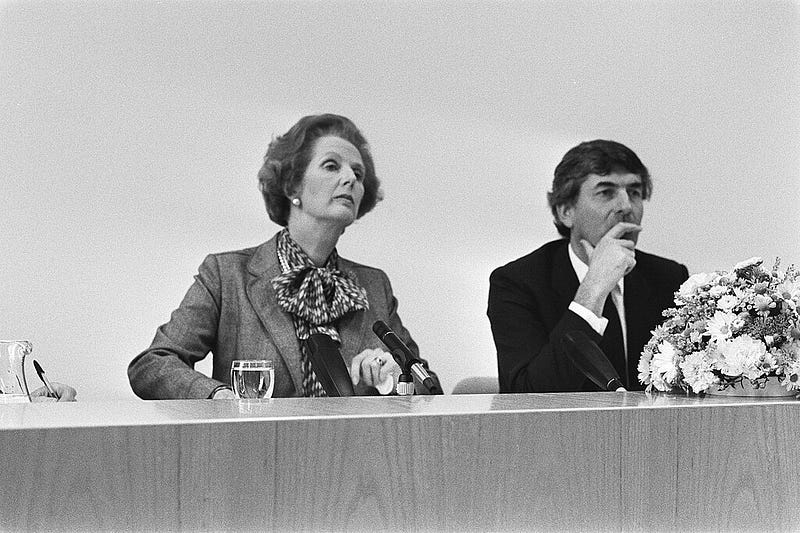
What remains of her legacy ? It’s still controversial today. She is praised for her tenacity, stance over United Kingdom sovereignty and huge transformation of the British economic and social landscape. On the contrary, her actions destroyed most of the industrial assets of the UK and inequalities are rampant. For me, I do believe that some of my past thoughts were unfair regarding Thatcher. While I still condemn her attitude toward the miners and the social cost of her policy, I do respect her impact on the British political landscape and also her stance over British sovereignty, and also her stance on Europe (especially the monetary union).
Que reste-t-il de son héritage ? Il fait encore aujourd’hui l’objet de controverses. Elle est louée pour sa ténacité, sa position sur la souveraineté du Royaume-Uni et la transformation profonde du paysage économique et social britannique. À l’inverse, ses actions ont détruit la plupart des actifs industriels du Royaume-Uni et les inégalités sont omniprésentes. Pour ma part, je pense que certaines de mes opinions passées à l’égard de Thatcher étaient injustes. Si je continue de condamner son attitude envers les mineurs et le coût social de sa politique, je respecte son impact sur le paysage politique britannique, sa position sur la souveraineté britannique et son point de vue sur l’Europe (en particulier l’union monétaire).
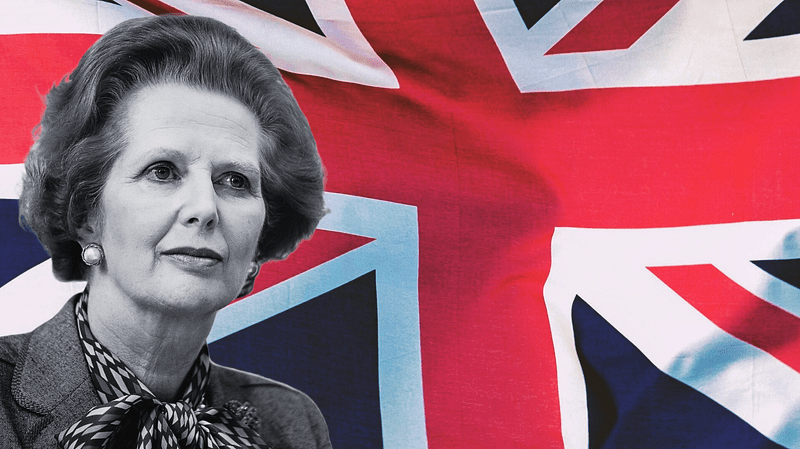
To conclude : what I admire the most in Margaret Thatcher is her unwavering devotion to the sovereignty of the United Kingdom — a conviction she held above popularity, alliances or comfort. She believed that a nation must remain master of its fate, and she never turned from that duty.
Pour conclure : ce que j’admire le plus chez Margaret Thatcher, c’est son abnégation totale pour la souveraineté du Royaume-Uni — une conviction placée au-dessus des alliances, de la popularité ou du confort politique. Elle croyait qu’un pays devait rester maître de son destin, et elle n’a jamais dévié de ce devoir.
“You turn if you want to; the lady’s not for turning.” — « Tournez si vous voulez ; la dame, elle, ne tournera pas. »
 Simon CHABROL
Laisser un commentaire